In this guide
The short answer
Florida attics routinely hit 130–150°F in summer. That radiant heat drives down through the ceiling into your living space, forcing your AC to run constantly. The most effective fix is insulation to R-38 plus air sealing, supported by proper ventilation; a radiant barrier can help as an add-on but isn't a substitute for insulation.
How hot does a Florida attic get?
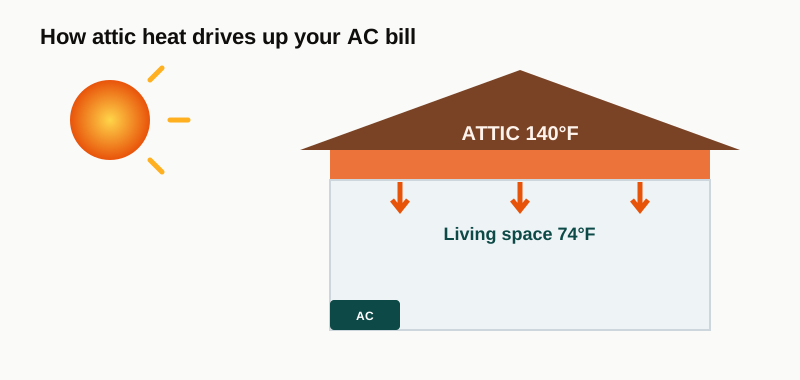
On a summer afternoon, a Florida attic commonly reaches 130–150°F — far hotter than the outdoor air — because the roof absorbs intense sun and re-radiates it into the attic. That heat sits directly above your ceilings all day.
Why it raises your AC bill
Cooling is the largest part of a Florida energy bill, and an under-insulated attic is the number-one leak. When there's little R-value between 140°F attic air and your 74°F rooms, heat pours through the ceiling and the AC never catches up — so it runs longer and costs more.
The fixes, ranked
- Insulation to R-38 — the highest-impact fix; it slows the heat reaching your ceilings. See the R-38 guide.
- Air sealing — stops hot, humid attic air from leaking directly into the house through penetrations.
- Ventilation — soffit + ridge vents keep a vented attic closer to outdoor temperature and manage moisture (never block soffit vents).
- Radiant barrier — a reflective foil that reduces radiant gain from the roof deck; a useful *complement* to insulation, not a replacement for it.
What the fix is worth
Because it targets cooling directly, an R-38 upgrade returns a meaningful share of its cost each year and typically pays back in a few years. Estimate your savings with the AC Savings Calculator.
See your home's exact numbers — price, R-value, and savings — with a free Florida Attics quote in under 60 seconds. No salesperson, no obligation.
Get My Free Quote →Frequently asked questions
How hot does a Florida attic get?
Florida attics routinely reach 130–150°F in summer — much hotter than the outdoor temperature — because the roof re-radiates absorbed sunlight into the attic.
Does attic insulation cool down the attic?
Insulation mainly protects your living space from attic heat rather than cooling the attic itself. Combined with proper ventilation, it keeps the heat from reaching your rooms so your AC works less.
Is a radiant barrier or insulation better for attic heat?
Insulation to R-38 comes first — it's the higher-impact fix. A radiant barrier is a helpful add-on that reduces radiant gain, but it doesn't replace reaching R-38.
Will attic ventilation fix my hot upstairs?
Ventilation helps manage attic temperature and moisture, but on its own it won't fix a hot upstairs. The biggest lever is insulation plus air sealing.
Ready for your exact number?
Get a personalized Florida Attics quote for your real address — price, R-value, and savings — in under 60 seconds.
Get My Instant Quote →