In this guide
The short answer
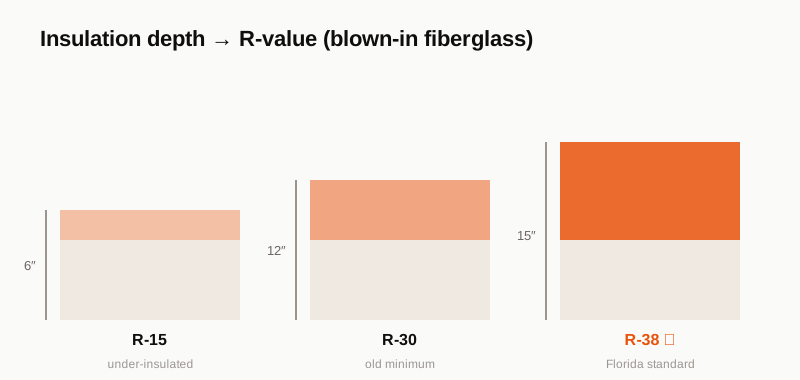
Older Florida homes were built to much lower standards — often R-11 to R-19, versus today's R-38. In most cases you can top off the existing insulation to R-38, but older attics also need air sealing and a check for moisture, pests, and (in very old homes) hazardous materials before adding insulation.
Why older Florida homes underperform
Building codes tightened over the decades, so the older the home, the less insulation it likely started with — and settling and disturbances only reduce it further. That's why older Florida homes so often feel hot upstairs and run high cooling bills.
What you likely have, by era
- Before 1980: often R-11 to R-13 — roughly a third of today's standard.
- 1980–2000: typically around R-19.
- 2000–2010: commonly R-25 to R-30.
- After 2010: closer to R-30, still short of R-38.
Confirm your actual level by measuring — use the Depth → R-Value Calculator.
Top off or remove?
Even in an older home, if the existing insulation is dry and intact, top it off to R-38. Remove it only if it's wet, moldy, rodent-contaminated, or failed — see the removal guide. Age alone is not a reason to remove.
Don't skip air sealing
Older homes leak more air, so air sealing matters even more here. Sealing top plates, penetrations, and the attic hatch before insulating stops hot, humid attic air from pouring in and conditioned air from escaping — it's what makes the new insulation actually perform.
Safety checks for older attics
Very old homes can hide issues worth checking before any work: knob-and-tube wiring, prior water damage, pest activity, and — in the oldest homes — materials that require special handling. A free inspection flags these so the upgrade is done safely.
See your home's exact numbers — price, R-value, and savings — with a free Florida Attics quote in under 60 seconds. No salesperson, no obligation.
Get My Free Quote →Frequently asked questions
How much insulation do older Florida homes usually have?
Homes built before 1980 often have only R-11 to R-19, well below today's R-38 standard. Measuring the depth confirms your actual level.
Should I remove old insulation in an older home?
Not just because it's old. If it's dry and intact, top it off to R-38. Remove only if it's wet, moldy, rodent-contaminated, or failed.
Is it worth insulating an older Florida home?
Very much — older homes have the most to gain because they start with the least insulation, so the cooling savings and comfort improvement are the largest.
Ready for your exact number?
Get a personalized Florida Attics quote for your real address — price, R-value, and savings — in under 60 seconds.
Get My Instant Quote →